For Industrial & Enterprise
Autonomous Robot Platform
An open robot base that takes a concept from CAD to a field-tested, autonomous machine.
Capability: Robotics & AMR Development
The Challenge
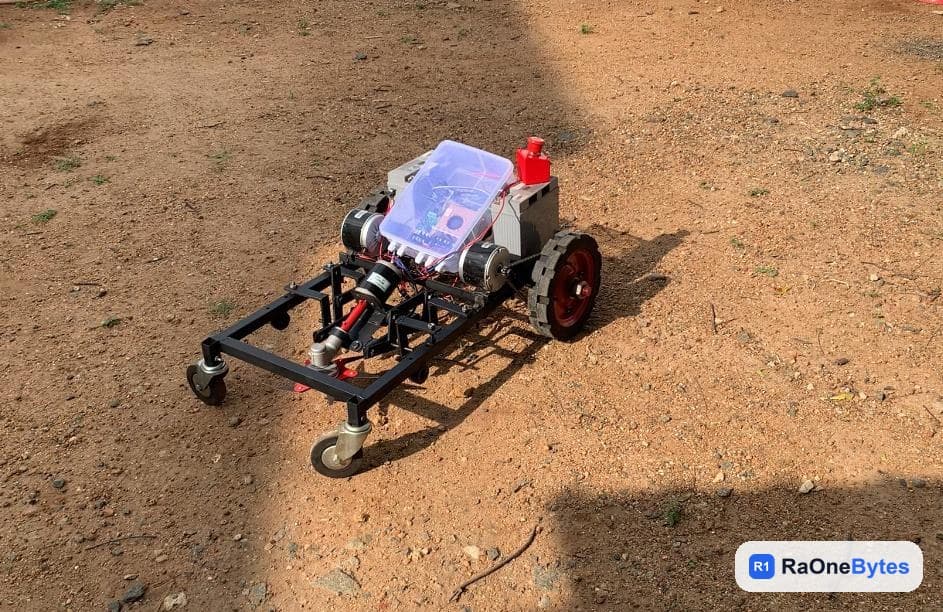
Robotics teams repeatedly rebuild the same base from scratch. Past robot control platforms were complex, expensive, and rarely reusable, so developers burned months on mechanics and plumbing before they could build the application that actually mattered.
From sketch to product
How we took Autonomous Robot Platform from concept to a working build.
Spec the mission
We define the task, operating environment, and payload (manufacturing plant, warehouse, hospital, or retail floor) so the platform is sized and sensed for the real job.
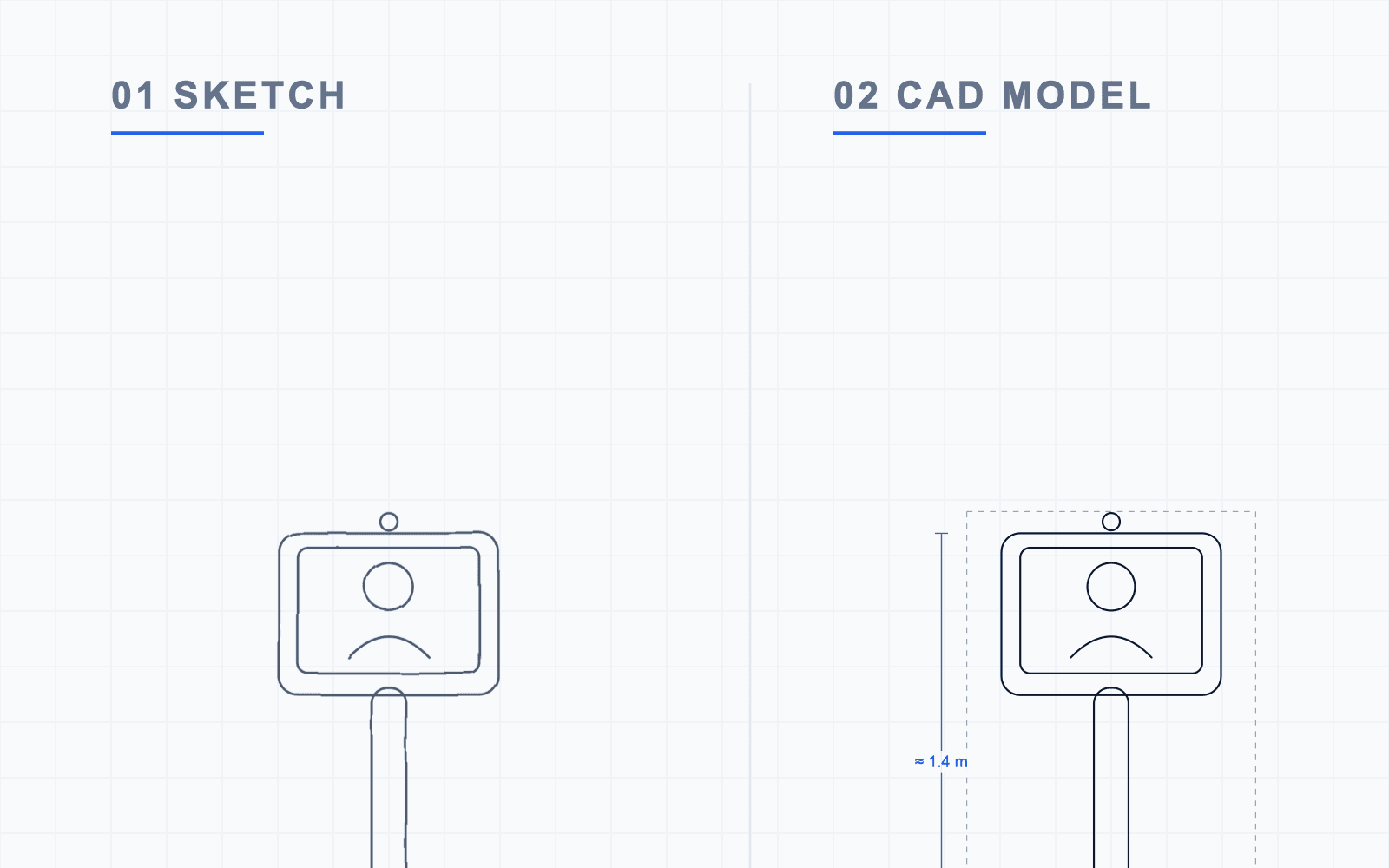
Design in CAD
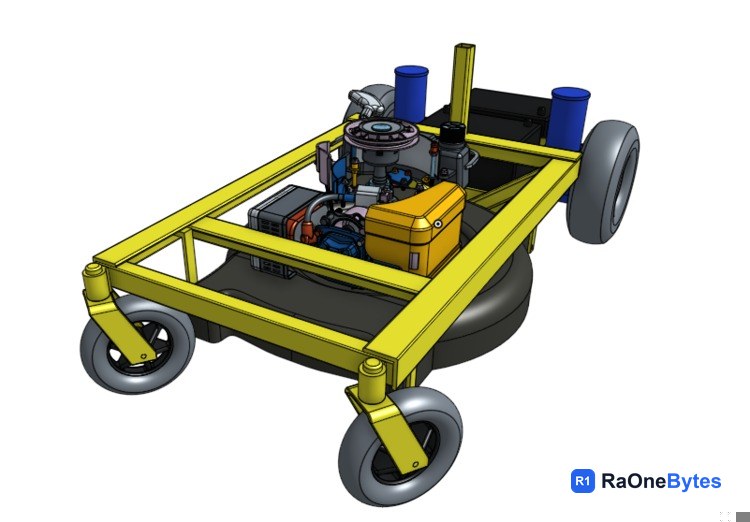
A strong steel/aluminium chassis, drivetrain, and sensor layout are modelled in CAD for stability and serviceability before fabrication begins.
Build & integrate
We fabricate the chassis and integrate motor control, power, and a multi-sensor stack (IR, ultrasound, LiDAR, encoders, and camera) fused for accurate positioning and obstacle avoidance.
Test & deliver autonomy
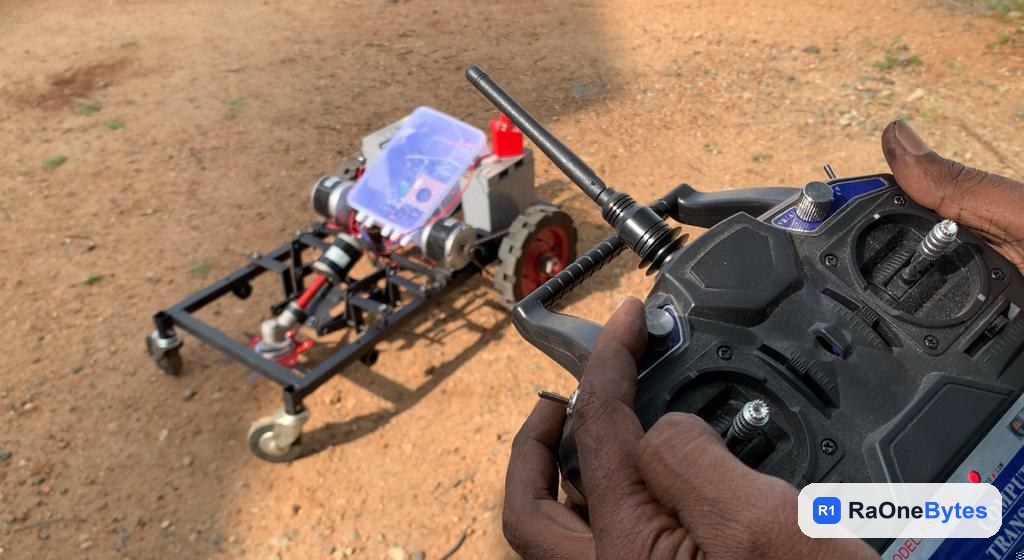
SLAM-based mapping and navigation are tuned and field-tested, with autonomous recharging and cloud remote management, delivered as an open base teams can build their own application on top of.
Key features
Autonomous mapping & navigation
SLAM builds a map and localises the robot within it simultaneously for reliable autonomous movement.
Open hardware & software
An open platform developers can extend, build your own application over a proven base instead of from zero.
Autonomous recharging
The platform returns to dock and recharges on its own for continuous, unattended operation.
Cloud remote management
Monitor, dispatch, and manage the robot fleet remotely from the cloud.
Intelligent obstacle avoidance
Multi-sensor fusion delivers accurate positioning and safe avoidance in dynamic spaces.
Strong, stable base
A heavy-duty chassis for better stability, payload, and performance in industrial environments.
Specifications
- Dimensions
- 36 × 22 × 48 in
- Weight
- 70 – 110 kg
- Power
- 24 V
- Material
- Steel / Aluminium
- Sensors
- IR, Ultrasound, LiDAR, Encoder, Camera
- Battery
- 4 – 12 hours
Gallery
Applications
- Manufacturing plants
- Warehouses & logistics
- Hospitals
- Retail & service robots
The Outcome
A reusable, field-tested autonomous base that compresses the path from idea to working robot, taking a project from CAD render to a navigating machine on the test ground.
More case studies
Start your build with Raonebytes
Tell us what you're building and we'll scope it with a fixed quote, usually within 24 hours. Every project under NDA.